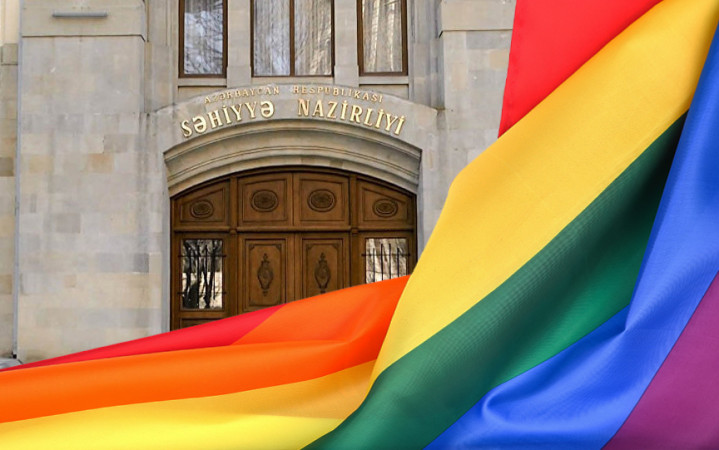


EU lawmakers back full recognition of trans women
EU lawmakers back full recognition of trans women in gender equality agenda
 26/Feb/26
 1545
1545
EU lawmakers back full recognition of trans women in gender equality agenda
In a closely watched vote ahead of next month’s UN women’s rights summit, EU lawmakers backed a resolution calling for the full recognition and inclusion of trans women in gender-equality policies.
The European Parliament has adopted a high-profile resolution affirming that transgender women are women, sending a clear political message ahead of the upcoming United Nations Commission on the Status of Women meeting in New York next month.
The non-binding resolution, passed on 11 February, sets out the European Union’s priorities for international negotiations on gender equality and women’s rights. Members of the European Parliament (MEPs) voted 340 in favour, 141 against and 68 abstentions.
While not legally enforceable, the text explicitly calls for the “full recognition of trans women as women” and stresses that their inclusion is essential for effective gender-equality and anti-violence policies. It also urges EU institutions and member states to guarantee equal access for trans women to protection and support services.
The document was adopted as part of a broader set of recommendations the EU plans to promote during the UN forum, which focuses on advancing global women’s rights and equality.
Supporters of the resolution argue it strengthens the EU’s stance on human rights, equality and inclusion at a time when trans rights are the subject of heated political debates in many countries. The measure received backing from a broad range of political groups in the Parliament, including the centre-right European People’s Party (EPP).
While the text is geared toward EU positions in New York, it also addresses rising concerns about attacks on LGBTQ+ rights and democratic values within and beyond Europe. It calls for tools to monitor backsliding in women’s rights and warns against “anti-gender and anti-rights movements” that undermine democratic norms.
Because the resolution is non-binding, critics have pointed out that it does not automatically change EU law or national legislation within member states. However, some observers say the vote signals a firm political commitment by the European Parliament to include transgender rights within the broader framework of gender equality.
The decision comes amid contrasting developments internationally, including debates on trans rights in the United States and elsewhere. Some commentators argue that the move places the EU’s human-rights agenda on a different course from that of other major powers.
Although the resolution itself will not change laws, it is expected to influence the EU’s official negotiating position at the UN Commission on the Status of Women when it meets next month. There, EU representatives will present and advocate for the policies outlined in the resolution alongside other member states and international partners.
Powered by Froala Editor