

Who Holds the Money?
Meet the 10 richest openly LGBTQI+ on the planet, where they come from, how they made their fortunes, and what their wealth says about power, visibility, and inequality
 25/Jan/26
 3717
3717
Who Holds the Money?
A Look at the World’s Wealthiest Openly LGBTQ+ in 2026
By: Hamida Giyasbayli
When we talk about LGBTQ+ power, the conversation usually circles around culture: visibility, representation, symbolism. Rarely do we talk about capital. Who controls it? Who accumulates it? And under what conditions does queerness become compatible with extreme wealth?
Using Forbes’ Real-Time Billionaires data, cross-checked with financial and LGBTQ+ media, this article looks at the ten wealthiest openly LGBTQ+ in the world today, where they come from, how old they are, how they made their money, and what patterns emerge when you put them side by side.
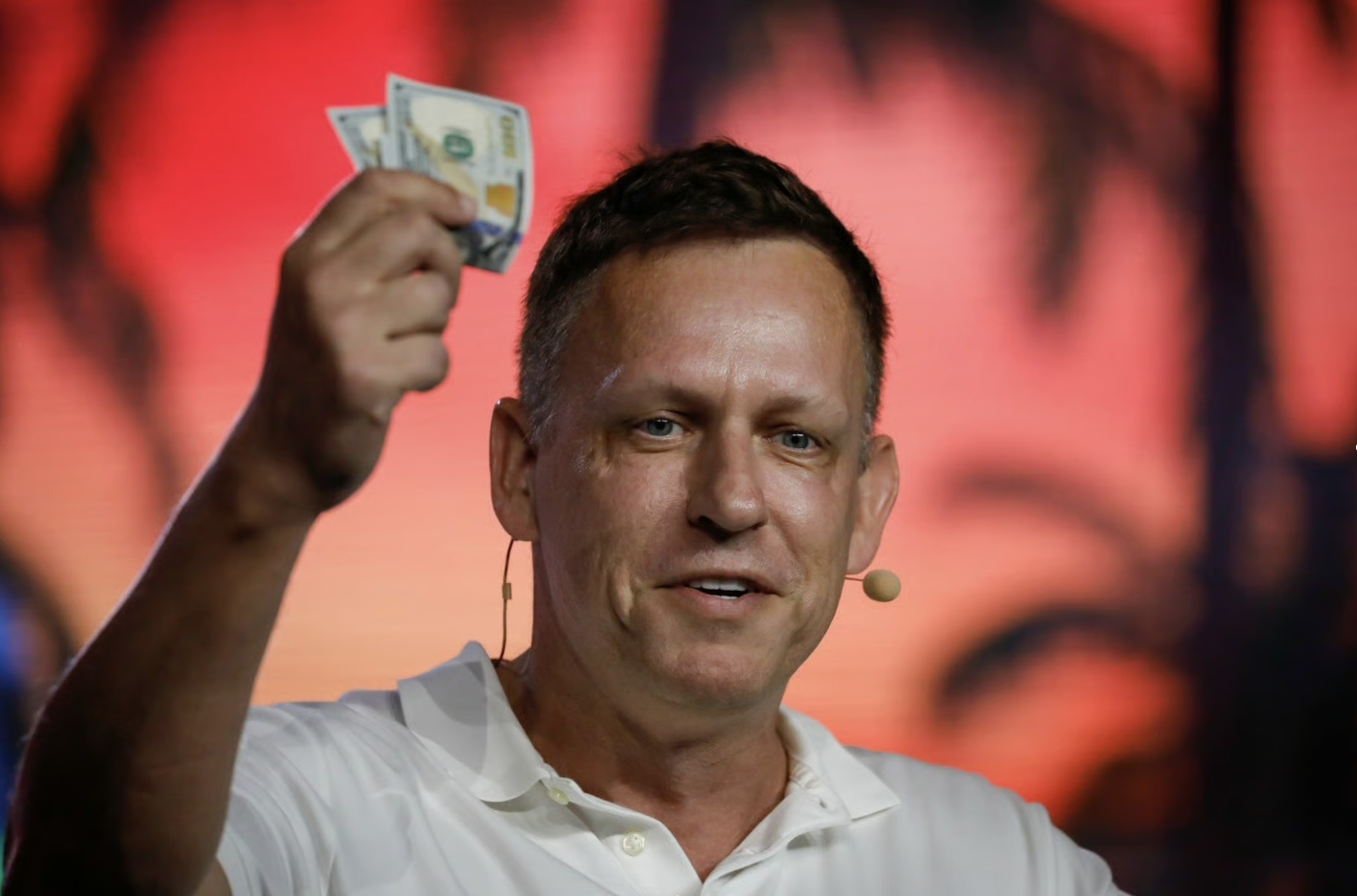
#1 The richest openly LGBTQ+ in the world is Peter Thiel, with an estimated net worth of $25.9 billion. Born in Germany and raised in the United States, Thiel is now 58 years old and made his fortune through PayPal, Palantir, and venture capital investments. His wealth reflects a familiar story in modern capitalism: early entry into tech, aggressive scaling, and long-term ownership. Thiel came out publicly in 2016 notably after securing his position as a major power broker.
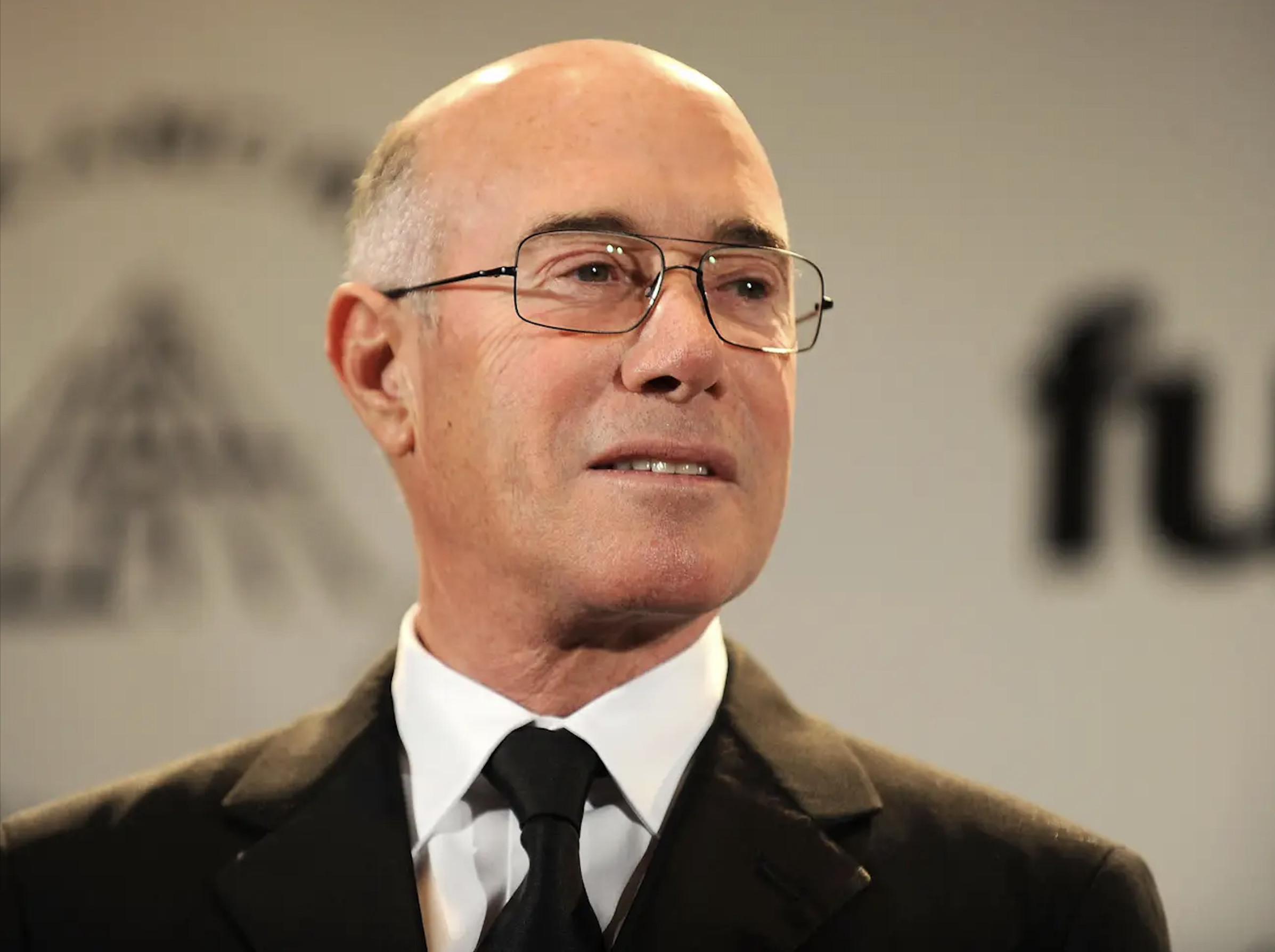
#2 A similar logic applies, albeit in different sectors, to others near the top of the list. David Geffen, now 82, built his fortune in music and film by owning intellectual property rather than simply producing content. Geffen Records and DreamWorks allowed him to convert cultural influence into durable wealth. His estimated net worth of $9.2 billion was accumulated slowly, over decades, in an era when coming out carried significant professional risk.
#3 At 83, Barry Diller represents a transitional generation. With an estimated $5.4 billion, his fortune bridges old media and the internet economy through InterActiveCorp, Expedia group and media conglomerates. Diller spoke publicly about his sexuality relatively late in life, a reminder that for many in this generation, openness followed security, not the other way around.
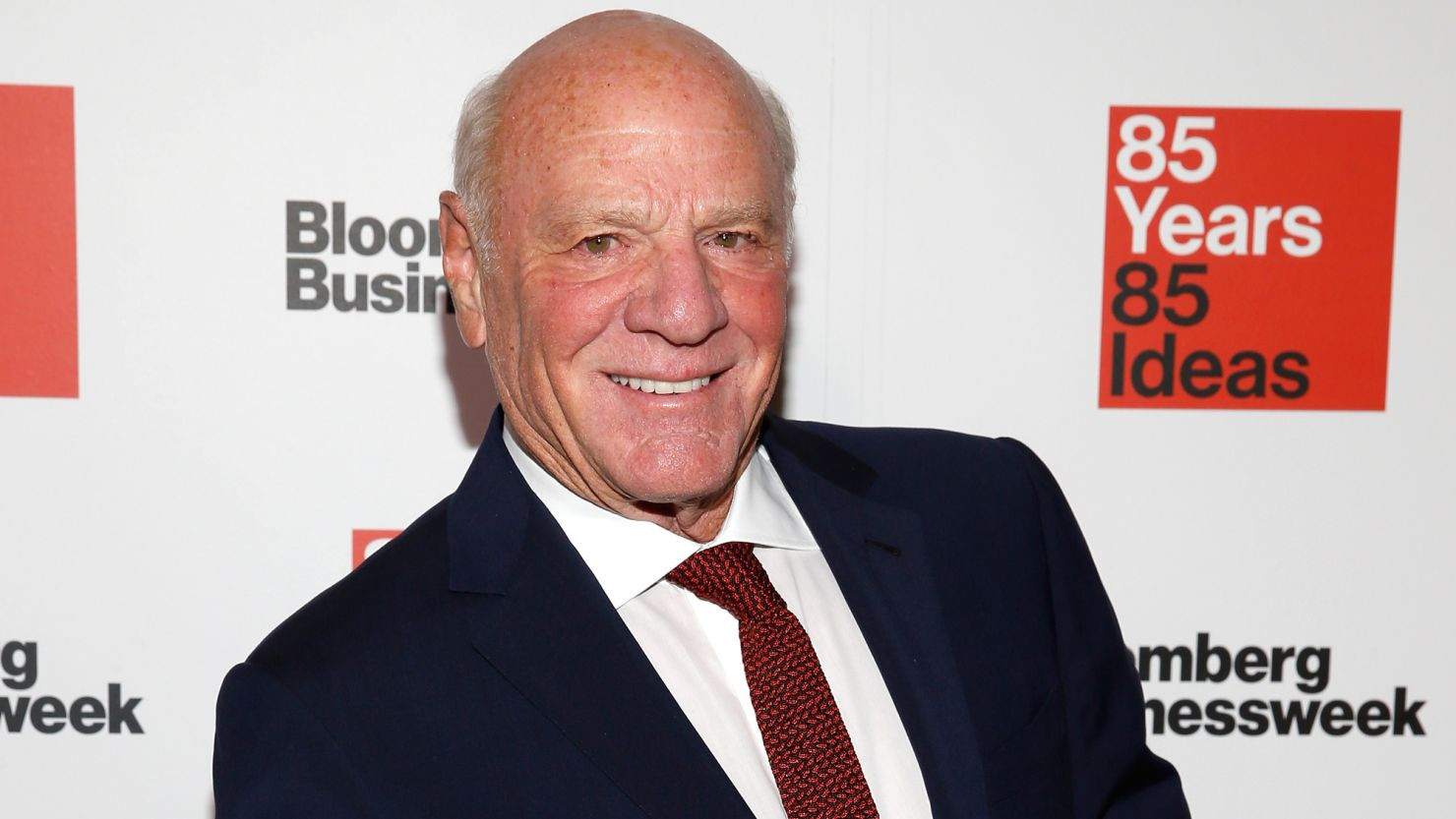
#4 Jon Stryker, aged 68, sits next, with around $5.4 billion. His wealth comes from the Stryker Corporation, founded by his grandfather. Inheritance plays a clear role here, but Stryker stands out for what he has done with that wealth: large-scale funding of LGBTQ+ rights, reproductive justice, and democracy initiatives through the Arcus Foundation.
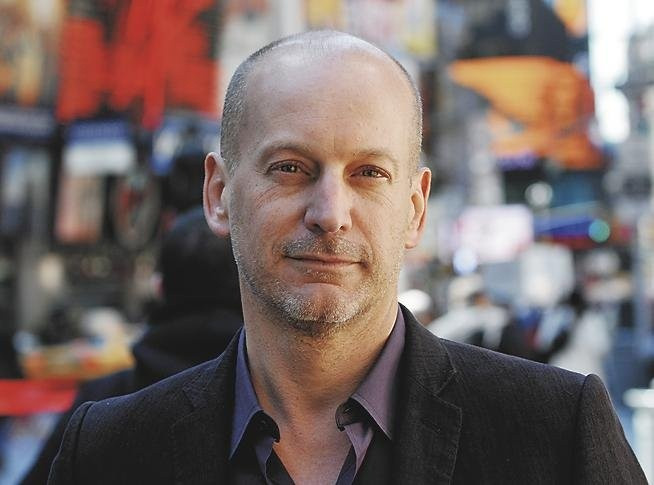
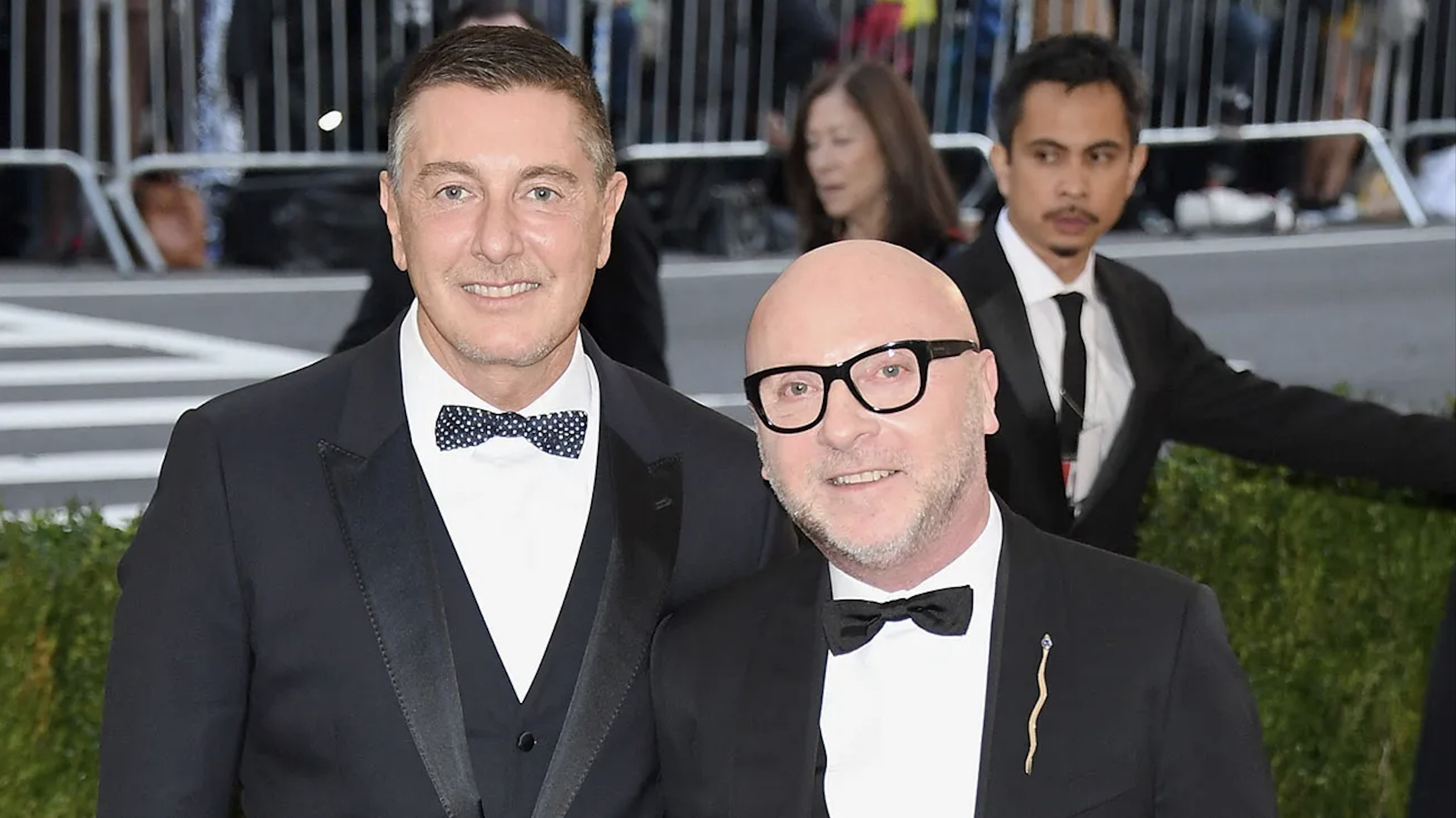
#5&6 Fashion is another recurring theme. Domenico Dolce (67) and Stefano Gabbana (63) each hold an estimated $3 billion, built through Dolce & Gabbana’s global luxury empire. Fashion has long been one of the few industries where gay men could be visible though not necessarily safe and still accumulate capital at scale.
#7 One of the few non-U.S. figures on the list is Stein Erik Hagen (69), a Norwegian billionaire worth approximately $2.6 billion. Hagen, who identifies as bisexual, made his money through Orkla, a major consumer-goods conglomerate. His presence underscores a quiet reality: Northern and Western Europe have been more structurally hospitable to openly queer elites than most of the world.

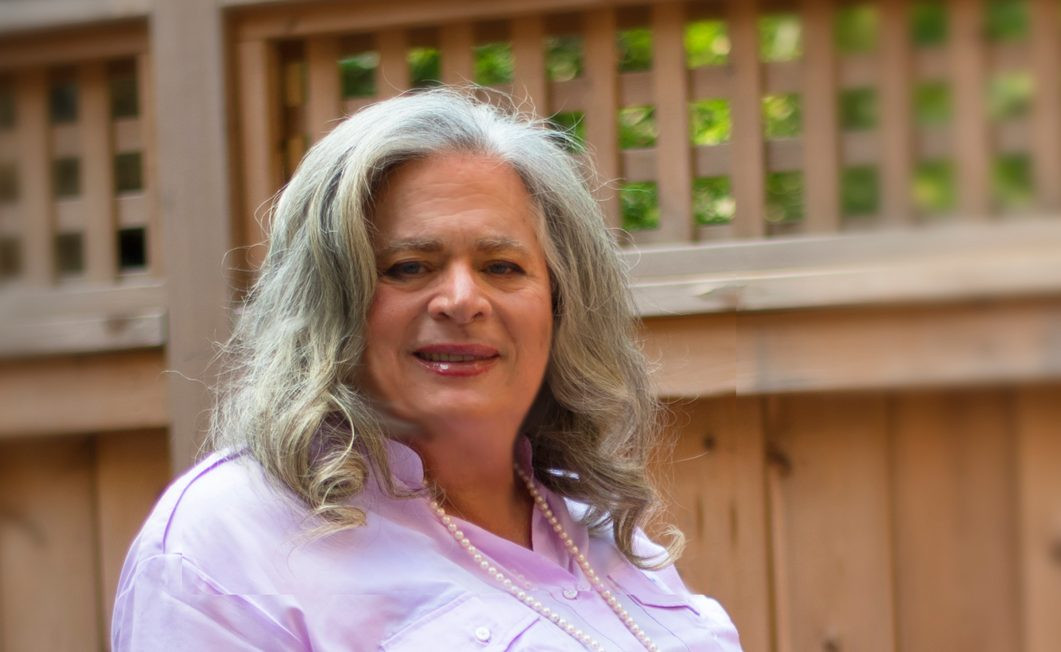
#8 Then there is Jennifer Pritzker, one of not many openly trans billionaires globally. At 75, with an estimated $2.5 billion, her wealth stems from the powerful Pritzker family, best known for Hyatt Hotels. Her story complicates dominant narratives about trans marginalisation not because they are untrue, but because wealth and family capital can dramatically reshape the risks of visibility.
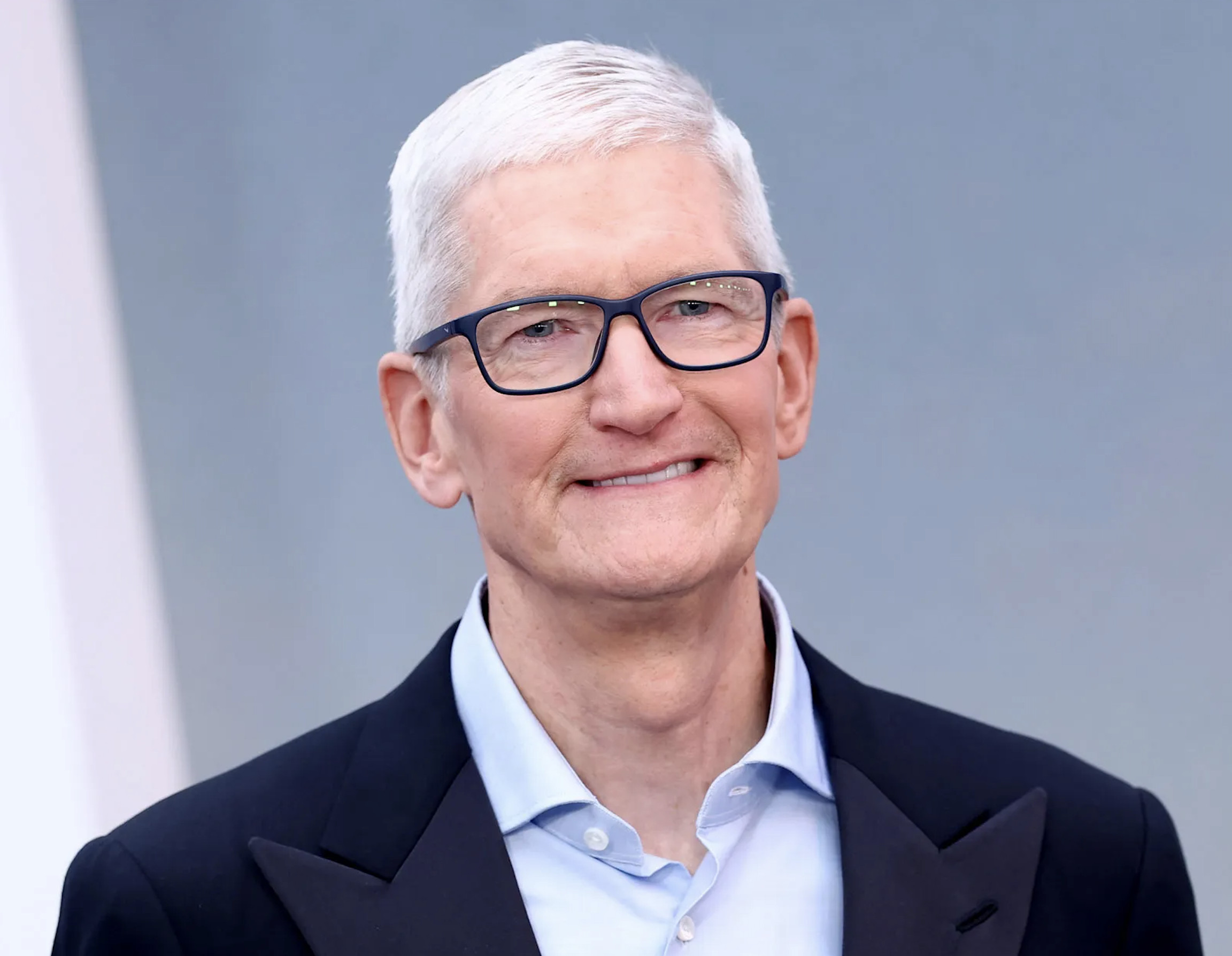
#9 Tim Cook, 65, stands out for a different reason. Unlike many on this list, he is not a founder or heir. His estimated $2.5 billion comes from executive compensation and stock as Apple’s CEO. Cook’s trajectory shows how professional management particularly in Big Tech can generate enormous personal wealth, even without founding ownership. He also represents a newer model of openly gay leadership within conservative corporate environments.
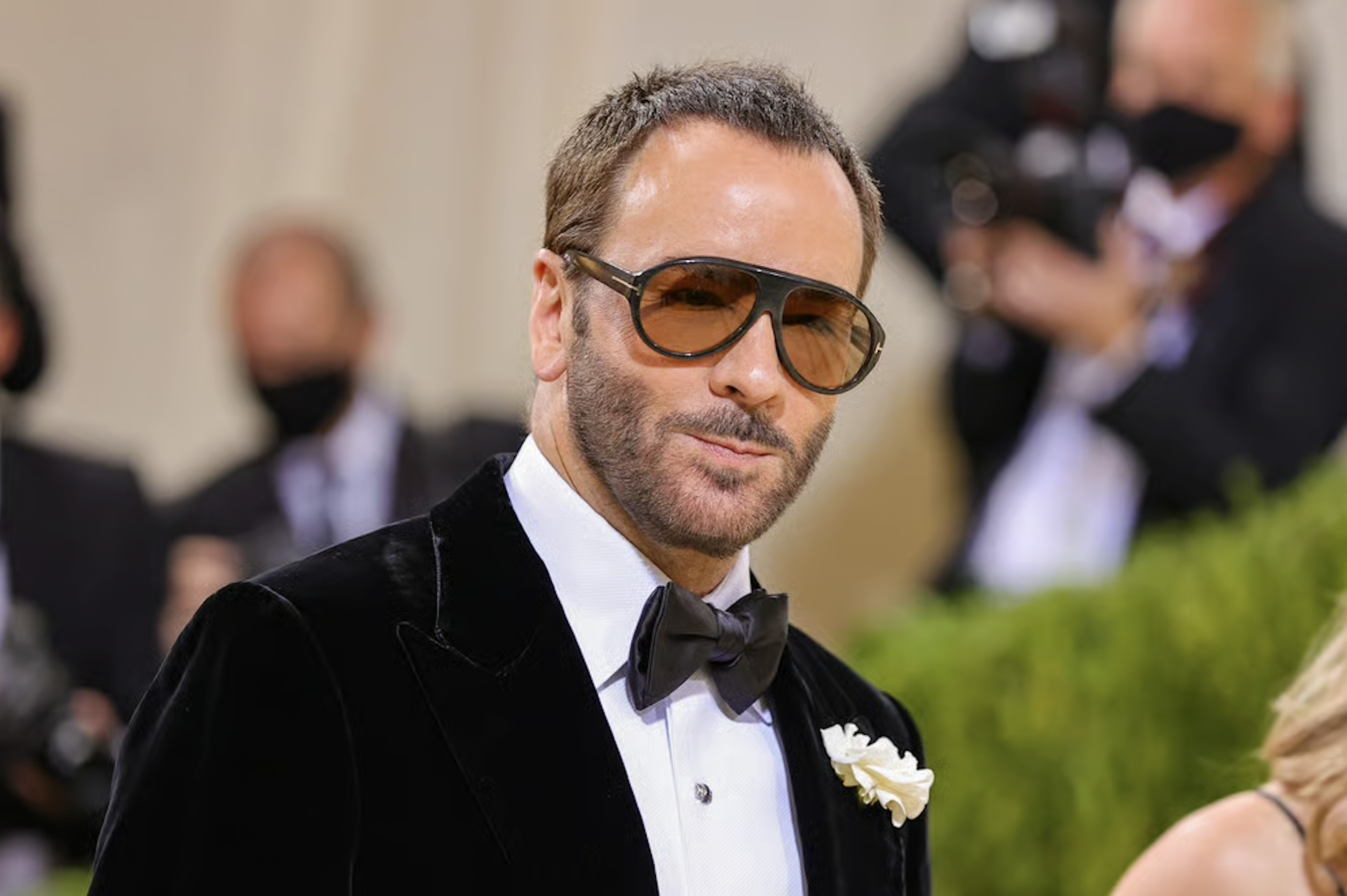
#10 Rounding out the top ten is Tom Ford, 64, whose wealth surged after selling his fashion brand. With an estimated $2.2 billion, Ford’s success reflects the power of personal branding, ownership, and strategic exits. His case shows how queerness can be folded into luxury aesthetics in ways that are profitable even celebrated under the right conditions.
What do the patterns tell us?
Several things stand out. First, age. Nearly everyone on this list is over 60. Extreme wealth takes time and historically, time has also been what many LGBTQ+ needed before it felt safe to come out.
Second, geography. The list is overwhelmingly U.S.- and Western Europe–centric. There are no openly LGBTQ+ billionaires from the Global South tracked by Forbes, raising uncomfortable questions about visibility, exclusion, and global inequality.
Third, pathways to wealth. Tech, finance, luxury branding, inheritance, and media dominate. There are no openly queer billionaires emerging from labour-intensive or extractive industries.
Finally, who is missing matters as much as who is present. The wider spectrum of Trans representation, lesbians, queer people of colour, remain dramatically underrepresented at this level of wealth.
Wealth Does Not Equal Queer Solidarity
The political positions of the world’s wealthiest openly LGBTQI+ challenge the assumption that queer visibility at the top automatically signals social progress. In reality, their politics are shaped far more by class interests than by shared sexual or gender identity.
There is no unified “queer elite politics.” Figures like Peter Thiel demonstrate how queerness can coexist with and even legitimize right-wing, authoritarian, and anti-democratic agendas. Despite being openly gay, Thiel has financed nationalist candidates and invested heavily in surveillance and military technologies, positioning himself in direct opposition to many LGBTQI+ movements.
At the other end of the spectrum stands Jon Stryker, whose wealth is explicitly tied to progressive causes. Through long-term funding of LGBTQI+ rights, reproductive justice, and democracy-building initiatives, he remains a rare example of queer wealth aligned with structural change rather than symbolic inclusion.
Most others fall into a broad middle ground. Media and fashion figures such as David Geffen, Barry Diller, Tim Cook, and Tom Ford represent establishment or corporate liberalism, supportive of LGBTQI+ visibility and civil rights, but largely disengaged from questions of economic inequality or redistribution. Their politics favor institutional stability over systemic transformation.
European business elites like Stein Erik Hagen reflect a different model of personal openness without political advocacy while figures such as Jennifer Pritzker complicate narratives altogether, combining transgender visibility with military and conservative institutional alignment, although her political affiliations started to shift over the years.
Perhaps most telling are cases like Domenico Dolce and Stefano Gabbana, whose public opposition to same-sex parenting underscores an uncomfortable truth: being gay does not automatically mean supporting queer liberation.
Taken together, these examples reveal a clear pattern. Extreme wealth often insulates individuals from discrimination while aligning them with power structures that sustain inequality. Visibility at the top may signal personal success, but it should not be mistaken for collective progress.
Powered by Froala Editor